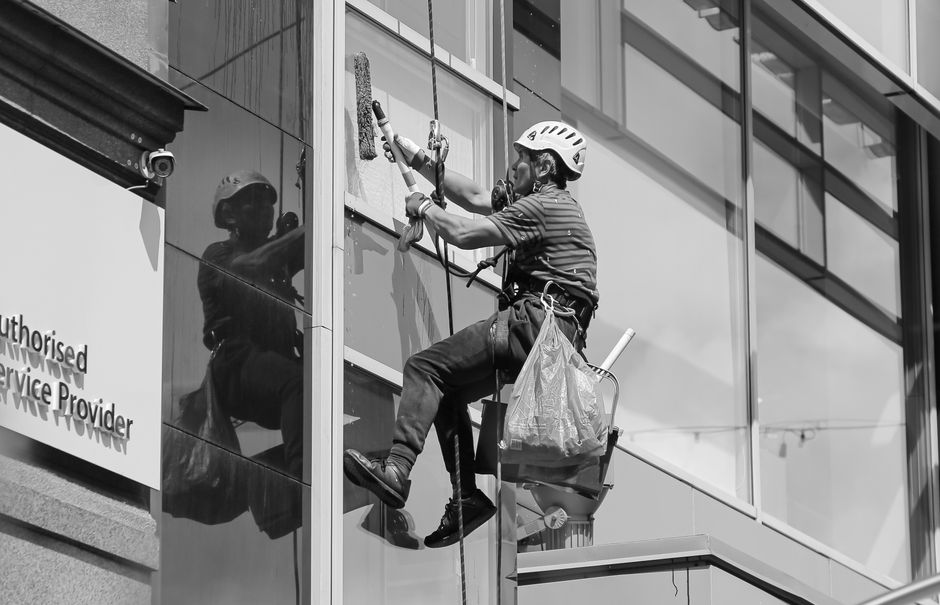
Why choose a licensed Merton cleaner: certificates & safety
If you are comparing cleaners in Merton, it is tempting to look at price first and ask questions later. Fair enough - everyone has a budget. But when the job involves ladders, chemicals, vacuum equipment, delicate surfaces, or access to your home or workplace, the smarter first question is usually about licensing, certificates, and safety. That is exactly why choose a licensed Merton cleaner: certificates & safety is more than a keyword; it is a practical way to protect your property, your time, and your peace of mind.
A properly licensed and well-run cleaning business should be able to explain how it trains staff, how it manages risk, what paperwork it holds, and what happens if something goes wrong. In other words, you are not just buying a tidy room. You are buying a process. And when that process is done properly, it feels calm, professional, and refreshingly uneventful - which, in cleaning, is usually a very good sign.
This guide breaks down what "licensed" really means in a local cleaning context, which certificates matter, how safety should be managed, and how to spot the difference between a reliable provider and a risky shortcut.
Why Why choose a licensed Merton cleaner: certificates & safety Matters
Let's start with the obvious point that often gets ignored: cleaning is a low-friction service until something goes wrong. A slip on a wet floor, a chemical reaction on a sensitive surface, a scratched hob, a damaged carpet edge, or an accident during high-level cleaning can turn a routine visit into a headache. Licensing, certificates, and safety controls are there to reduce those risks before they reach your doorstep.
For many customers, "licensed" is shorthand for trust. It tells you the cleaner is operating as a real business, not just a name on a social profile. It also suggests a more serious approach to training, insurance, and accountability. That matters whether you need domestic cleaning, office cleaning, or a more specialist service such as after builders cleaning.
Certificates are not magic badges, to be fair. A certificate alone does not guarantee a great cleaner. But they do show that someone has taken the time to learn, document, and follow safe methods. That usually translates into fewer mistakes, better communication, and more predictable results.
Safety also matters because many cleaning tasks are deceptively physical. A professional may be lifting furniture, carrying equipment through narrow hallways, working around children or pets, or using products that need careful dilution. A good cleaner knows how to do those things without drama. And if you have ever seen a bottle of something strong sitting next to a polished worktop, you will know why that is not a small detail.
Expert summary: A licensed cleaner should feel organised before they even start work. Clear documents, clear process, clear safety habits. If the basics are messy, the cleaning often is too.
How Why choose a licensed Merton cleaner: certificates & safety Works
In practice, a licensed cleaning service works through a chain of checks rather than a single promise. The exact structure can vary by company, but a strong provider generally follows a simple pattern: assess the job, assign a suitable cleaner, use trained methods, manage risk, and document the work where needed.
1. Initial assessment
The cleaner should understand the space before arriving. Is it a one-off reset, a regular weekly visit, or a deeper clean after renovation? Are there pets, fragile surfaces, busy shared corridors, or access constraints? This early assessment helps determine the right products, time estimate, and staffing level.
For example, a flat in a busy block may need extra care with communal access, noise, and tidiness in shared areas. If you are arranging communal area cleaning, the cleaner should already be thinking about safety, resident movement, and appropriate signage or workflow.
2. Documented competence
A proper cleaner should be able to show evidence of training or competence. That may include internal training records, product handling guidance, safe use of equipment, or service-specific instruction. For higher-risk work such as window cleaning or intensive deep cleaning, the emphasis on training becomes even more important.
3. Insurance and liability checks
Safety is not only about preventing incidents. It is also about having a responsible way to handle them if they happen. A licensed business should usually hold appropriate insurance and have a sensible process for reporting issues. This is especially important in homes with high-value items, in offices with equipment, or in end-of-tenancy situations where a minor mistake can become a deposit dispute.
You can see the logic clearly in services such as end of tenancy cleaning and move-out cleaning, where timing, condition, and proof of work all matter. A company with a clear insurance and safety policy gives you a far better starting point than one that says, "don't worry, we've never had a problem." That line sounds familiar, doesn't it?
4. Safe product use and site protection
Cleaners should use the right products for the right surface. That sounds basic, yet surface damage often comes from the wrong cleaner, not the wrong intention. A licensed service will usually know how to protect floors, fabrics, electronics, and ventilation-sensitive areas. They should also be careful with labels, dilution, PPE where needed, and waste disposal.
5. Review and follow-up
Once the work is done, a good provider should welcome feedback and handle complaints sensibly. That is where process matters again. A clear complaints procedure is not just bureaucracy; it is a sign that the business expects to be accountable.
Key Benefits and Practical Advantages
There are several reasons people choose a licensed cleaner rather than someone who simply appears cheapest online. Some are obvious, some become obvious after the first problem.
- More consistent quality: trained cleaners are less likely to miss key steps or use the wrong method.
- Better protection for your property: safer product use and careful handling reduce the risk of damage.
- More trust around access: licensed businesses are more likely to have formal checks and clear procedures.
- Improved accountability: if something goes wrong, there is a business structure behind the service.
- Less disruption: organised cleaners tend to arrive prepared, work efficiently, and leave the space usable sooner.
- Greater confidence in specialist jobs: tasks like carpet cleaning, sofa cleaning, and oven cleaning are much easier to trust when the person handling them understands both safety and technique.
There is also a softer benefit that people do not always mention: less mental load. You are not wondering whether the cleaner knows what they are doing. You are not hovering. You are not re-checking every surface. You can get on with your day, which, honestly, is half the point.
For landlords, letting agents, and busy households, that confidence can save time in ways that are hard to measure but easy to feel. A reliable cleaner shows up, follows the agreed plan, and reduces the amount of back-and-forth. That alone is worth a lot.
Who This Is For and When It Makes Sense
A licensed Merton cleaner is a smart choice for almost anyone, but some customers benefit even more than others.
Homeowners and tenants
If you want a clean, safe home without taking chances on unknown operators, licensing and certificates matter. This is especially true if you have children, pets, allergies, delicate furniture, or expensive surfaces. It is also useful when you need a trustworthy cleaner for house cleaning, regular cleaning, or a one-off reset before guests arrive.
Landlords and letting agents
For rental properties, safety and reliability are tied to turnaround speed. A missed appointment can delay check-in, and a poor clean can trigger complaints. Licensed cleaners are a stronger fit for move-in cleaning and move-out cleaning because the work often needs to meet a clear standard, not just "look nice enough."
Business owners and office managers
Commercial settings need extra attention to access, confidentiality, staff safety, and business continuity. If a cleaner enters before opening hours or after staff have gone home, they need to be organised and careful. That is why many workplaces prefer a more formal provider for commercial cleaning or office cleaning.
Short-let hosts and busy property managers
Airbnb-style turnovers move quickly. Bedding, bathrooms, kitchens, touchpoints, and presentation all need to be handled fast without cutting corners. A licensed cleaner with proper safety habits can make the difference between a smooth handover and a late-night scramble. If that sounds familiar, Airbnb cleaning is exactly the kind of service where process matters.
People booking specialist or high-risk cleaning
Some jobs are simply more likely to go wrong if the cleaner is not trained. Think high-heat appliances, fabric care, or post-renovation dust. In those cases, certificates and safe methods are not "nice extras." They are the core of the service. That includes mattress cleaning, rug cleaning, and upholstery cleaning.
Step-by-Step Guidance
If you want to choose wisely, keep the process simple. No need for a complicated spreadsheet. Just ask the right questions in the right order.
- Define the job clearly. Be specific about the room, surface, frequency, and any problem areas. "Kitchen clean" is vague. "Deep clean of kitchen surfaces, hob, extractor, skirting, and floor" is useful.
- Ask about certificates and training. Look for evidence that cleaners are trained in product use, equipment handling, and safe working practice. For specialist services, ask what training applies to that exact task.
- Check insurance and safety arrangements. Ask how the business manages incidents, damage, and complaints. A clear answer is reassuring. A vague answer is not.
- Review terms and booking details. Good businesses explain what is included, what is not, and how payment is handled. You can also check their payment and security information and terms and conditions.
- Request a quote that reflects the actual work. If a quote looks unusually low, ask what is excluded. Cheap can be fine. Cheap and unclear is where problems begin.
- Confirm access and timing. Make sure the cleaner knows about entry instructions, parking, alarms, pets, or shared spaces.
- Follow up after the visit. If something is not right, report it quickly and keep the tone factual. Good companies will want to fix issues rather than argue about them.
A small real-world tip: take a quick photo before the clean if the area has existing marks or damage. It is not about being suspicious. It is simply helpful if you later need to compare before and after. Very practical, slightly boring, extremely useful.
Expert Tips for Better Results
Here is what tends to make the biggest difference in the real world, based on the kind of issues people only notice after a job has already started.
Match the cleaner to the task
Not every cleaner is ideal for every surface. A provider that is excellent at weekly domestic cleaning may need to be specifically briefed for one-off cleaning or post-works dust removal. Ask whether they regularly handle the exact type of job you need.
Ask what products they use
You do not need a chemistry lesson, thankfully. But you should know whether products are suitable for children, pets, sensitive fabrics, or natural stone. A good cleaner will explain this in plain English, not hide behind jargon.
Choose clarity over bravado
If someone says they can do everything without needing details, that is not always a strength. Sometimes it just means they have not thought through the job. Good cleaning is often quite precise.
Value communication as much as equipment
A professional vacuum or a steam machine is useful. So is a person who answers messages, confirms timings, and turns up prepared. Honestly, communication is a safety tool too. It prevents confusion, missed access, and rushed work.
Check how they handle special instructions
Whether it is a child's bedroom, a commercial meeting room, or a newly painted wall, special instructions matter. If a cleaner listens carefully and repeats the plan back clearly, that is usually a good sign.
Common Mistakes to Avoid
People often make the same avoidable mistakes when choosing a cleaner. None of them are dramatic. That is the sneaky part.
- Choosing on price alone: the cheapest quote can leave out insurance, prep time, or proper cleaning methods.
- Not asking about training: if the cleaner cannot explain how they work safely, that should ring a bell.
- Ignoring paperwork: terms, policies, and safety notes are boring until they suddenly matter.
- Assuming all cleaning is the same: carpet, upholstery, ovens, and windows all need different approaches.
- Skipping the access conversation: a perfectly good cleaner can still have a bad day if the building entry is unclear.
- Forgetting to mention sensitive issues: allergies, recent redecorating, fragile items, or pets should be disclosed early.
One common mistake worth calling out is treating "insured" and "trained" as interchangeable. They are not. Insurance helps with risk transfer. Training helps prevent the risk in the first place. You want both, really.
Tools, Resources and Recommendations
You do not need a pile of documents to make a sensible decision, but a few practical checks go a long way. A good cleaner should be willing to discuss:
- what tasks are included in the clean
- how they manage safe chemical use
- what happens if an item is damaged
- how they handle complaints
- their cancellation or rescheduling rules
- how payment is taken and protected
If you want to learn more about how a business presents its values and operations, you can also read the company's about us page. It often gives a useful sense of the team's approach, not just the service list.
For customers who care about trust and transparency, policies are not paperwork for its own sake. They are practical reference points. A clear privacy policy tells you how your information is handled. A clear recycling and sustainability page shows whether waste and materials are being treated responsibly. And if accessibility matters to you or to your building, a published accessibility statement can be reassuring.
For some customers, especially in shared buildings or busy households, it is also helpful to think about the kind of cleaning you need. If you are not sure whether you need a deep reset or a lighter routine visit, compare the scope of deep cleaning with house cleaning or regular cleaning. The right fit often depends on how long the space has been neglected, not just on what looks dusty today.
Law, Compliance, Standards, and Best Practice
Cleaning businesses in the UK operate within a broad framework of legal duties and industry expectations, even if the exact obligations vary by service type and business model. Rather than pretending there is one universal rulebook for every cleaner, it is better to think in terms of accepted best practice.
At a minimum, a professional cleaner should take sensible steps around health and safety, chemical handling, equipment use, accident reporting, public liability coverage, and staff training. If a company employs people, there are also workplace duties around safe working conditions and fair employment practices. Where specialist equipment or elevated work is involved, the standard of care should be higher still.
This is why a serious business usually publishes a health and safety policy. It signals that safety is not improvised on the day. It has been thought through in advance. That may sound dry, but it matters hugely when someone is cleaning around hot appliances, slippery floors, or fragile fixtures.
For customers, the practical takeaway is simple: do not ask only, "Can you clean it?" Ask, "Can you clean it safely, consistently, and accountably?" That question is much better aligned with real-world risk.
Where a cleaner is handling shared access, tenancy handover, or commercial premises, the expectation of professionalism goes up again. Offices, rental homes, and building common areas often need a process-driven approach rather than a casual one. It is not about being fussy. It is about avoiding the sort of avoidable issue that costs time later.
Options, Methods, and Comparison Table
Not every customer needs the same kind of cleaning support. The right choice depends on how much risk, access, and specialist handling is involved. Here is a simple comparison that helps frame the decision.
| Option | Best for | Safety and certificate expectations | Typical upside |
|---|---|---|---|
| Independent casual cleaner | Light, informal, low-risk tasks | May vary widely; always ask for insurance and training details | Can be flexible and familiar |
| Established local cleaning service | Routine domestic, office, and scheduled jobs | Should be able to explain policies, training, and insurance clearly | More consistency and accountability |
| Specialist cleaner | Carpets, upholstery, ovens, windows, post-build cleans | Higher emphasis on task-specific training and safe methods | Better for technical or delicate work |
| Licensed and policy-led provider | Shared buildings, turnover cleans, business premises | Usually strongest on documentation and process | Best fit when trust and risk control matter most |
If you are weighing up options, a licensed provider often wins not because they promise miracles, but because they reduce unknowns. In cleaning, fewer unknowns usually means fewer surprises. And fewer surprises is underrated.
Case Study or Real-World Example
Here is a realistic scenario, drawn from the kind of job homeowners and landlords in Merton deal with all the time.
A landlord needs a flat refreshed after a tenancy ends. The kitchen has baked-on grease, the bathroom has limescale build-up, and the carpets need attention after several months of heavy foot traffic. The landlord could hire the cheapest available cleaner and hope for the best. Or they could choose a licensed cleaner who can explain what products will be used, how the floors will be protected, and what happens if a stain does not lift first time.
In this sort of situation, the difference is often in the process. The licensed cleaner arrives with the right equipment, briefs the job carefully, avoids using the wrong product on a delicate surface, and leaves notes if something needs specialist follow-up. If the property also needs carpet cleaning or oven cleaning, they can plan those tasks as part of one controlled visit rather than piecing everything together on the fly.
The result is not just a cleaner flat. It is a smoother handover, fewer complaints, and less back-and-forth after the keys change hands. Truth be told, that is what most people really want: not excitement, just a result they can trust.
Practical Checklist
Use this quick checklist before you book:
- Is the cleaner or company clear about what is included?
- Can they explain their certificates, training, or competence in plain language?
- Do they have a visible insurance and safety position?
- Are their terms and conditions easy to understand?
- Is payment handling explained in a secure and sensible way?
- Do they ask sensible questions about your property, access, and priorities?
- Have you mentioned pets, allergies, fragile items, or building rules?
- Do they have a clear way to handle complaints if needed?
- Does the service type match your actual need - for example, move-in cleaning, regular cleaning, or one-off cleaning?
If you can tick most of those boxes, you are probably dealing with a far more trustworthy operation than the average rushed booking. Not perfect maybe, but solid. And solid is what you want.
Get a free quote today and see how much you can save.
Conclusion
Choosing a cleaner should not feel like a gamble. When you look past the headline price and focus on licensing, certificates, insurance, and safety, the decision becomes much easier. You are simply choosing the business that is more likely to respect your space, protect your belongings, and deliver the job without unnecessary stress.
That is the real value of this topic. It is not about paperwork for its own sake. It is about confidence. It is about knowing that the person entering your home or workplace understands what they are doing, how to do it safely, and how to put things right if a problem ever appears.
And if you take only one thing from this guide, let it be this: the best cleaning service is the one that feels calm, clear, and quietly professional from the very first conversation. That kind of trust is worth more than a rushed discount - every time.
Frequently Asked Questions
What does a licensed cleaner usually mean in Merton?
In practical terms, it usually means a cleaning business is operating in a more formal, accountable way rather than as an informal individual. It often points to clearer documentation, better procedures, and a stronger sense of responsibility. Always ask what the company means by "licensed" and what evidence they can show.
Which certificates should a cleaner have?
That depends on the type of cleaning work. Useful evidence may include training for safe chemical use, equipment handling, specialist cleaning methods, or health and safety procedures. For higher-risk or technical work, task-specific training matters more than a generic claim of experience.
Why is insurance important when hiring a cleaner?
Insurance helps protect both you and the business if damage or an accident happens. It does not prevent mistakes, but it can reduce the cost and stress if something unexpected occurs. If a company cannot explain its insurance approach clearly, that is a warning sign.
Is a cheaper cleaner always a worse choice?
Not always. Some cleaners are fairly priced and efficient. The problem is when a low price comes with vague scope, weak communication, or no evidence of safety controls. Cheap is only good if the service is still clear and professional.
How do I check whether a cleaner is safe to let into my home?
Ask about their process, identity, insurance, and how they handle complaints. You should also look for clear communication, a proper quote, and a business that behaves consistently. If they are evasive before the job starts, that usually does not improve later.
Do regular domestic cleaners need the same safety standards as specialist cleaners?
The level of risk may be lower in routine domestic work, but the need for safe practice is still there. Products, surfaces, access, and personal belongings all need care. Specialist jobs such as oven, carpet, or window cleaning often require extra training and equipment.
What should I ask before booking a deep clean?
Ask what is included, what products will be used, how long the job is expected to take, and whether the team has experience with your type of property. A deep clean should be specific, not vague. If the answer sounds rushed, keep asking.
How can I tell if a cleaning business is trustworthy?
Trustworthy businesses tend to be consistent. They answer questions clearly, provide policies, explain payment, and do not overpromise. They also tend to have useful pages such as an about us page, a health and safety policy, and a sensible complaints route.
What if I need cleaning for an office or shared building?
Then process matters even more. Offices and communal areas often involve access rules, multiple users, and regular scheduling. A licensed provider with clear safety procedures is usually a better fit for commercial cleaning or communal area cleaning.
Are payment and security details worth checking?
Yes. A clear payment process reduces confusion and helps avoid disputes. It is also a good sign that the company takes administration seriously. A reliable business should explain how payments are handled and what security measures are in place.
What is the best first step if I am unsure which service I need?
Start by describing the property, the condition, and your outcome. Then ask whether you need a one-off cleaning, a regular visit, or something more specialist. A good cleaner will help you match the service to the problem instead of pushing the same answer every time.
Can I ask for proof of insurance or training?
Absolutely. It is a reasonable question, especially if the work involves access, valuables, or specialist equipment. A professional business should not take offence. In fact, they should expect it.
Why does safety matter if the job is "only cleaning"?
Because cleaning involves chemicals, water, movement, equipment, and access to your belongings. The risks are usually small, but small risks add up when they are repeated week after week. Safe practice keeps those small problems from becoming big ones.
If you want the short answer, it is this: choose the cleaner who can prove they are organised, insured, trained, and careful - then relax a little. That is the sort of service that lets you breathe easier at the end of a long day.