Deep Cleaning: A Complete Approach to a Fresher, Healthier Space
Deep cleaning is more than a quick tidy-up. It is the process of removing built-up dirt, hidden dust, grease, grime, and bacteria from areas that regular cleaning often misses. Whether you are preparing a home for guests, refreshing a workspace, or trying to create a healthier environment, deep cleaning plays a major role in keeping a space looking and feeling its best. A thoughtful deep cleaning routine can transform a room, improve indoor air quality, and make everyday maintenance much easier.
Many people assume that deep cleaning is only needed occasionally, but the truth is that it supports both appearance and hygiene throughout the year. It reaches corners, fixtures, baseboards, appliances, vents, and other overlooked surfaces. When done properly, deep cleaning helps extend the life of furniture, flooring, and appliances while also making a property feel more organized and comfortable.
In today’s busy lifestyle, it is easy for clutter and grime to build up without noticing. That is why deep cleaning has become an essential part of home care and property maintenance. From kitchens and bathrooms to offices and rental properties, a detailed cleaning routine can make a visible and lasting difference. If you are ready to create a cleaner, healthier, and more welcoming space, deep cleaning is the right place to start.
What Deep Cleaning Really Means
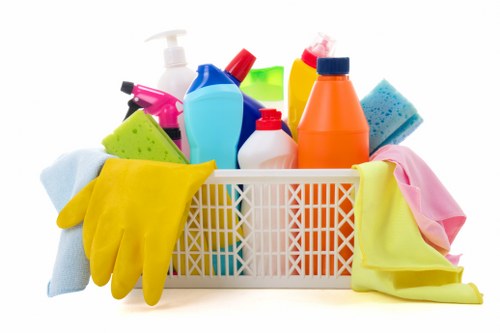
Deep cleaning is the process of cleaning beyond surface-level tasks. While regular cleaning might focus on visible areas such as countertops, floors, and sinks, deep cleaning targets the hidden buildup that accumulates over time. This can include soap scum in shower corners, grease behind appliances, dust on ceiling fans, and residue inside cabinets and drawers.
Unlike routine tidying, deep cleaning is detailed and methodical. It often takes longer because it involves moving items, cleaning behind furniture, disinfecting frequently touched surfaces, and addressing problem areas that are usually ignored during day-to-day cleaning. The goal is not only to make the space look better but also to improve overall cleanliness and hygiene.
Deep cleaning can be done in homes, apartments, commercial spaces, and even outdoor areas. It is especially valuable during seasonal changes, before special events, after renovations, or when a space has not been thoroughly cleaned in a while.
Why Deep Cleaning Matters
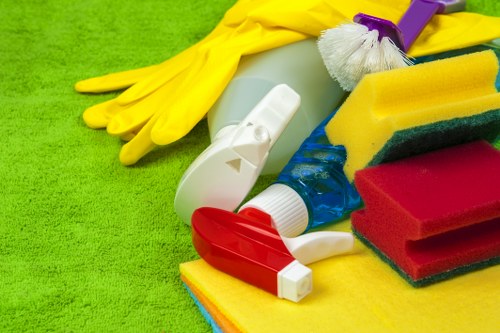
There are several reasons why deep cleaning should be part of a regular cleaning routine. First, it helps eliminate allergens such as dust, pet dander, and pollen that can collect in carpets, vents, and fabrics. This is particularly important for households with children, older adults, or people with respiratory sensitivities.
Second, deep cleaning reduces germs and bacteria. Kitchens and bathrooms, in particular, can become hotspots for buildup if they are not properly cleaned. A thorough deep cleaning routine helps sanitize surfaces and reduce the risk of unpleasant odors and hygiene issues.
Third, deep cleaning protects your investment. Floors, upholstery, countertops, and appliances all last longer when they are maintained properly. Dirt and residue can wear down materials over time, so removing buildup helps preserve the condition and appearance of your property.
Key Benefits at a Glance
- Improves indoor air quality
- Removes stubborn dirt and residue
- Reduces bacteria and allergens
- Extends the life of surfaces and appliances
- Creates a more comfortable and organized space
Deep Cleaning vs. Regular Cleaning

Regular cleaning and deep cleaning are not the same thing, although they work best when used together. Regular cleaning keeps things under control by handling everyday tasks such as wiping counters, sweeping floors, and taking out the trash. Deep cleaning goes further by addressing areas that are not part of the daily routine.
For example, a regular clean may make a kitchen look neat, but a deep cleaning session would include scrubbing the backsplash, degreasing the oven, cleaning inside the microwave, washing cabinet fronts, and pulling out appliances to clean behind them. That deeper level of attention is what makes deep cleaning so effective.
Think of regular cleaning as maintenance and deep cleaning as restoration. Both are important, but deep cleaning brings the space back to a higher standard. It is especially useful for people who want a fresh start, are moving in or out, or need to reset a room after months of use.
Simple Comparison
- Regular cleaning: visible surfaces and quick upkeep
- Deep cleaning: hidden buildup, detailed scrubbing, and hard-to-reach areas
- Regular cleaning: frequent and fast
- Deep cleaning: periodic and thorough
Rooms That Need Deep Cleaning Most
Every room benefits from deep cleaning, but some areas need extra attention because they collect dirt, grease, and moisture faster than others. Focusing on the right rooms can make the process more efficient and rewarding.
The Kitchen
The kitchen is one of the most important spaces for deep cleaning because it is used daily and exposed to spills, crumbs, oils, and food residue. A proper deep cleaning session should include the inside and outside of appliances, cabinet surfaces, sink drains, backsplash tiles, and floor edges.
Stubborn buildup on stovetops and ovens can harbor odors and make cooking less pleasant. Deep cleaning the kitchen also helps reduce pests by eliminating food particles in hidden spots. When the kitchen is deeply cleaned, the whole home often feels cleaner.
The Bathroom
Bathrooms need deep cleaning because they are exposed to moisture, soap residue, toothpaste splashes, and mineral deposits. Shower walls, grout lines, toilet bases, mirrors, and fixtures often require extra effort to remove buildup and restore shine.
Deep cleaning the bathroom also supports better hygiene. Sanitizing high-touch surfaces and removing mildew or grime can make the space healthier and more comfortable to use.
Other Important Areas to Deep Clean
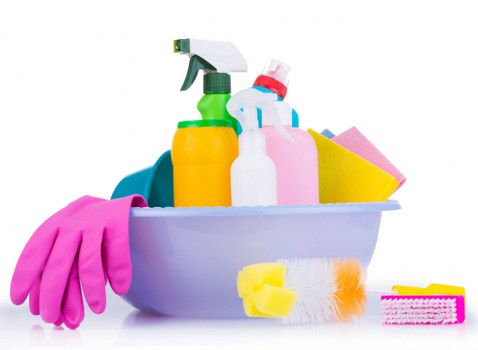
Beyond kitchens and bathrooms, there are many other areas that benefit from a detailed deep cleaning routine. Living rooms, bedrooms, hallways, laundry rooms, and entryways all collect dust and dirt in different ways. Because these areas are used regularly, they often hide buildup in corners, under furniture, and along trim.
In bedrooms, deep cleaning may include washing bedding, vacuuming mattresses, wiping down nightstands, and cleaning under the bed. In living areas, it can involve dusting blinds, cleaning upholstery, and washing baseboards. In laundry rooms, lint traps, shelves, and appliance exteriors should not be overlooked.
Deep cleaning should also include less visible spaces. Closets, vents, door frames, light switches, and window tracks often get missed during standard upkeep but can significantly affect the overall cleanliness of a room.
Hidden Spots Often Forgotten
- Behind and under large furniture
- Light switches and door handles
- Baseboards and trim
- Window sills and tracks
- Air vents and return grilles
- Cabinet tops and corners
How to Approach Deep Cleaning Step by Step
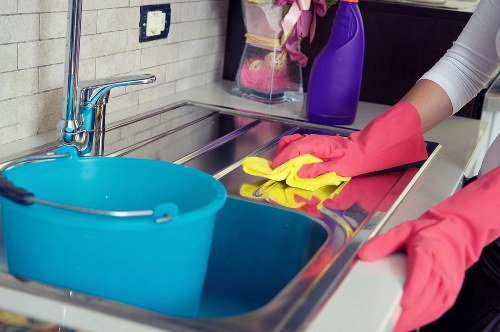
A successful deep cleaning session starts with planning. Instead of trying to clean everything at once, it helps to break the process into manageable steps. This makes the task less overwhelming and ensures that important details are not missed.
1. Declutter First
Before deep cleaning begins, remove unnecessary items from surfaces, floors, and storage spaces. Decluttering gives you better access to the areas that need attention and makes cleaning faster and more effective.
2. Work Top to Bottom
Start with higher surfaces such as shelves, fans, and cabinets, then move downward to counters, furniture, and floors. This prevents dust and debris from falling onto already cleaned areas. A top-to-bottom method is one of the simplest ways to keep deep cleaning organized.
3. Use the Right Tools
Different areas require different cleaning supplies. Microfiber cloths, scrub brushes, disinfectants, vacuum attachments, and degreasers all have their place in a deep cleaning routine. Choosing the right tool for the right job saves time and improves results.
4. Focus on Details
Do not rush through the small things. Wipe around handles, clean switch plates, wash trim, and scrub corners. The details are what separate a basic cleaning from a true deep cleaning result.
Deep Cleaning Tools and Supplies
Having the right supplies makes deep cleaning easier and more effective. While you do not need a huge collection of products, a few essential tools can handle most tasks with confidence.
Common deep cleaning supplies include:
- Microfiber cloths
- Sponges and scrub brushes
- Vacuum cleaner with attachments
- Mop and bucket
- All-purpose cleaner
- Disinfectant spray or wipes
- Glass cleaner
- Degreasing product
- Baking soda and vinegar for light natural cleaning
- Rubber gloves
It is also helpful to keep a caddy or container with your supplies so you can move from room to room without wasting time. For larger spaces, labeling tools and cleaners by task can make the process more efficient.
Choosing Safe Products
Always read product labels and test cleaners on small areas when needed. For homes with pets or children, safety should be a top priority. Ventilation is also important when using strong cleaning solutions.
Seasonal Deep Cleaning and When to Schedule It
Deep cleaning is often most effective when tied to a schedule. Many people prefer to do a major cleaning session during spring, before the holidays, after summer, or during a move. These moments are natural opportunities to reset the home and remove buildup that may have developed over time.
Seasonal deep cleaning is especially helpful because different times of year create different messes. Spring may bring pollen and dust, while winter often means more indoor activity, shoes tracking in dirt, and higher heating use. Scheduling deep cleaning around the seasons helps you stay ahead of those changes.
You can also deep clean based on life events. Moving into a new property, preparing for guests, recovering after a renovation, or finishing a long period of heavy use are all strong reasons to schedule a thorough cleaning session. When the timing is right, deep cleaning feels less like a chore and more like a reset.
Helpful Timing Examples
- Seasonal resets: every 3 to 6 months
- High-traffic spaces: more often as needed
- Move-in or move-out cleaning: before or after occupancy
- Post-renovation cleaning: after construction dust settles
Deep Cleaning for Homes, Offices, and Rentals
Deep cleaning is valuable in more settings than just private homes. Offices, vacation rentals, apartment buildings, and shared spaces all benefit from detailed cleaning because they are used by multiple people and experience more frequent wear.
In offices, deep cleaning can improve appearance and support a healthier work environment. Desks, conference rooms, common areas, break rooms, and restrooms all need periodic detailed attention. A clean workspace helps create a more professional and pleasant atmosphere.
For rental properties, deep cleaning helps maintain standards between tenants and supports better long-term condition. Landlords and property managers often rely on deep cleaning to keep units fresh, address hidden grime, and prepare spaces for new occupants. A well-cleaned property makes a strong first impression.
In vacation rentals, deep cleaning is especially important because guests expect a spotless environment. Attention to detail can make a noticeable difference in guest satisfaction and property upkeep.
Common Deep Cleaning Mistakes to Avoid
Even when people are motivated to clean thoroughly, certain mistakes can reduce results or waste time. Avoiding these common issues helps make the process smoother and more successful.
- Skipping the decluttering stage before starting
- Using the same cloth on too many surfaces
- Forgetting hidden areas such as behind appliances
- Cleaning in the wrong order and spreading dust around
- Using harsh products without checking surface safety
- Rushing through high-touch surfaces
Another mistake is trying to do everything in one session without a plan. Deep cleaning is easier when broken into zones or room-by-room tasks. This approach helps maintain energy and ensures a more complete finish.
Consistency matters just as much as effort. A little planning can turn a stressful cleaning day into a productive one.
How Often Should Deep Cleaning Be Done?
The ideal frequency depends on how the space is used. A busy family home may need more frequent deep cleaning than a rarely used guest room. High-traffic areas naturally collect more dirt and should be addressed more often.
As a general rule, many households benefit from deep cleaning every three to six months. However, kitchens and bathrooms may need deeper attention more regularly, especially if there is heavy cooking, moisture, or frequent use. Offices and rental properties may also need a tighter schedule depending on occupancy and turnover.
If your space starts to feel dusty, dull, or hard to keep up with, that is usually a sign that deep cleaning is due. Paying attention to these signals helps you stay ahead of bigger buildup.
Signs It Is Time for Deep Cleaning
- Persistent odors in rooms or fabrics
- Dust returning quickly after cleaning
- Visible grime in corners or on fixtures
- Sticky surfaces or dull floors
- Allergy symptoms worsening indoors
Why Professional Deep Cleaning Can Be Worth It
While many people manage their own cleaning routines, professional deep cleaning can save time and deliver a higher level of detail. Professionals often bring specialized equipment, experience, and efficient processes that help them reach difficult areas more effectively.
Professional services can be especially helpful for large homes, busy households, post-renovation spaces, or situations where the cleaning load feels too heavy to handle alone. They can also support one-time needs such as move-in cleaning, move-out cleaning, or seasonal refreshes.
For people who want excellent results without the stress, professional deep cleaning is a practical option. If your goal is a spotless, healthier environment, it may be time to book your service now or contact us today to take the next step.
Maintaining Results After Deep Cleaning
Once a space has been deeply cleaned, the next step is maintenance. Small daily and weekly habits can help preserve the results for much longer. This means less effort later and a consistently fresher environment.
Simple habits like wiping spills quickly, vacuuming high-traffic areas, cleaning sinks after use, and keeping clutter under control can make a major difference. When regular cleaning is paired with periodic deep cleaning, the space stays cleaner and easier to manage.
Maintenance is what protects your deep cleaning effort. It keeps buildup from returning too quickly and helps the entire property stay inviting.
Easy Maintenance Tips
- Do a quick reset each evening
- Wipe down kitchen and bathroom surfaces regularly
- Vacuum or sweep entryways often
- Use storage solutions to reduce clutter
- Schedule routine deep cleaning before buildup becomes overwhelming
Final Thoughts on Deep Cleaning
Deep cleaning is one of the most effective ways to restore freshness, improve hygiene, and create a more comfortable space. It goes beyond surface cleaning by targeting the dirt, dust, and buildup that can quietly collect over time. Whether you are caring for a home, office, or rental property, deep cleaning delivers lasting value.
It is not just about appearance. Deep cleaning supports healthier air, cleaner surfaces, and better organization. It also helps protect the materials and fixtures you rely on every day. With the right approach, tools, and schedule, deep cleaning becomes a powerful part of property care.
If your space needs a fresh start, do not wait until buildup becomes a bigger problem. Contact us today and book your service now to experience the difference that a thorough deep cleaning can make.